Starting a plant based lifestyle can feel like a big step, especially for beginners who are unsure where to begin.
The good news is that plant based nutrition does not have to be complicated or overwhelming.
At its heart, it is simply about choosing more foods that come from plants and enjoying the natural variety they offer.
With a gentle approach and a focus on balance, anyone can begin this journey and build habits that support a healthier and more enjoyable way of eating.
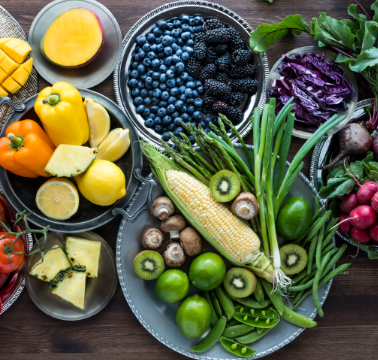
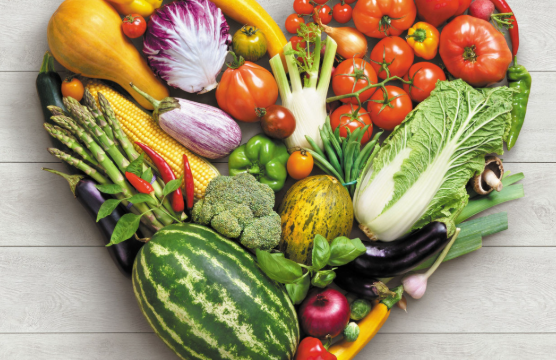
Plant based nutrition focuses on foods such as fruits, vegetables, whole grains, legumes, nuts, and seeds. These ingredients provide a wide range of nutrients that help the body function well. Instead of thinking about what to remove from meals, it can be more helpful to focus on what can be added. A colorful plate filled with different plant foods often brings both nutrition and flavor, making meals feel satisfying and complete.
For beginners, one of the easiest ways to start is by making small, gradual changes. There is no need to switch everything at once. You might begin by choosing a plant based breakfast or adding an extra serving of vegetables to lunch and dinner. Over time, these small adjustments can grow into a consistent habit. This gradual approach allows the body and mind to adapt comfortably without feeling restricted.
Understanding the basics of balanced nutrition can also make the transition smoother. A well-rounded plant based meal usually includes a source of carbohydrates, protein, and healthy fats. Whole grains such as brown rice, oats, or whole grain bread provide energy. Protein can come from beans, lentils, tofu, or nuts. Healthy fats are found in foods like avocados, seeds, and plant oils. When these elements are combined, meals tend to be more filling and satisfying.
Protein is often a common concern for those new to plant based eating, but it is easier to include than many people expect. Legumes like lentils and chickpeas are excellent sources and can be used in soups, salads, or simple stews. Tofu and tempeh are versatile options that can take on many flavors depending on how they are prepared. Even everyday foods like peanut butter or a handful of almonds contribute to protein intake. By including a variety of these foods throughout the day, most people can meet their needs without difficulty.
Fruits and vegetables play a central role in plant based nutrition and bring important vitamins and minerals to daily meals. Fresh produce adds natural sweetness, texture, and color, making dishes more enjoyable. Leafy greens, carrots, tomatoes, bananas, berries, and many other options can be mixed and matched in countless ways. Choosing seasonal fruits and vegetables can enhance flavor and keep meals interesting while also being budget friendly.
Whole grains are another important part of this lifestyle. They provide fiber and help maintain steady energy levels. Oats for breakfast, rice or quinoa for lunch, and whole grain bread for snacks are simple ways to include them in everyday meals. These foods are not only nourishing but also versatile, allowing for both sweet and savory combinations depending on personal preferences.
Healthy fats should not be overlooked, as they contribute to both flavor and nutrition. Foods like avocados, nuts, and seeds can add richness to meals while supporting overall wellness. A sprinkle of seeds on a salad or a slice of avocado on toast can turn a simple dish into something more satisfying. Including these fats in moderation helps create balance and keeps meals enjoyable.
Planning ahead can make plant based eating much easier, especially during busy days. Preparing ingredients in advance, such as cooking a batch of grains or washing and cutting vegetables, saves time and effort later. Having simple meal ideas ready can also reduce stress. Dishes like vegetable stir fries, grain bowls, and soups are easy to prepare and can be adjusted based on what is available in the kitchen.
Exploring new flavors is one of the most enjoyable parts of this journey. Herbs, spices, and natural seasonings can transform simple ingredients into delicious meals. Ingredients like garlic, ginger, and fresh herbs bring depth and aroma, while spices can add warmth and variety. Trying recipes from different cultures can also provide inspiration and introduce new ways to enjoy plant based foods.
It is important to remember that perfection is not the goal. Everyone’s journey with plant based nutrition will look different, and it is okay to take things at your own pace. Some days may include more plant based choices than others, and that is perfectly fine. What matters most is building a pattern that feels sustainable and enjoyable over time.
Listening to your body can help guide your choices as you begin. Paying attention to how different foods make you feel can provide useful insight. If a certain meal leaves you feeling energized and satisfied, it may be worth including it more often. If something does not feel quite right, small adjustments can be made. This flexible approach helps create a routine that supports both health and comfort.
Staying hydrated and maintaining a balanced lifestyle also play a role in overall well-being. Drinking enough water, getting regular rest, and staying active can enhance the benefits of a plant based diet. These habits work together to support the body and create a more positive daily routine.
A simple guide to plant based nutrition is really about making thoughtful choices and enjoying the process. By focusing on whole, natural foods and allowing room for flexibility, beginners can build a strong foundation without feeling overwhelmed. Each step, no matter how small, contributes to a healthier and more balanced way of living.
Over time, these choices can become second nature, turning plant based eating into a comfortable and rewarding part of everyday life. With curiosity, patience, and a willingness to try new things, anyone can discover the benefits of this approach and create meals that are both nourishing and enjoyable.