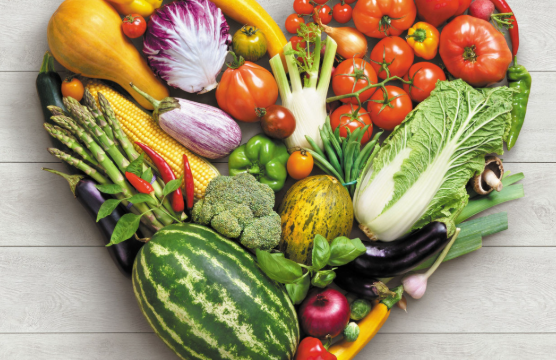
Embracing the power of plants through smart nutrition choices can be a rewarding way to support both health and daily well-being.
Plant based eating is not about strict rules or limitations, but rather about discovering how natural foods can nourish the body in a balanced and enjoyable way.
By focusing on ingredients that come from plants, such as fruits, vegetables, whole grains, legumes, nuts, and seeds, it becomes easier to create meals that feel satisfying, vibrant, and full of life.
One of the most appealing aspects of plant based nutrition is its ability to provide steady and reliable energy. Whole plant foods are rich in complex carbohydrates that release energy gradually, helping to maintain focus and avoid sudden drops in energy levels. This can make a noticeable difference in how you feel throughout the day, especially when meals are built around wholesome ingredients rather than heavily processed options. Starting the morning with a nourishing meal or enjoying a balanced lunch can set the tone for a productive and positive day.
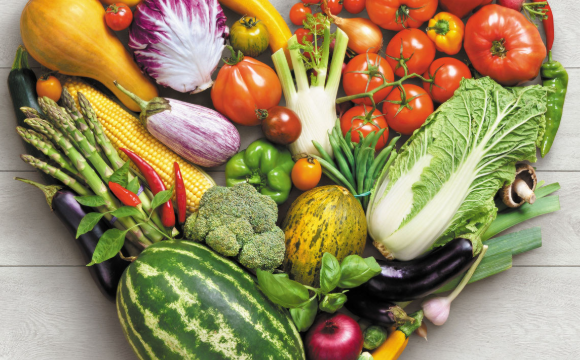
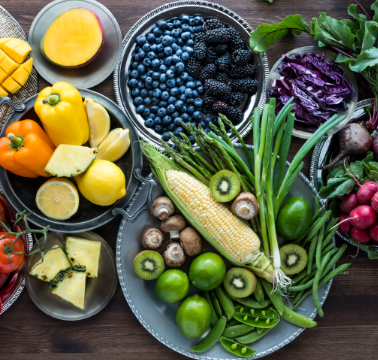
Smart nutrition choices begin with understanding the importance of variety. Each type of plant food offers its own unique combination of nutrients, and including a wide range of these foods helps ensure that your body receives what it needs. Colorful vegetables, fresh fruits, hearty grains, and protein rich legumes all contribute to a balanced diet. When meals include different colors and textures, they not only become more nutritious but also more enjoyable to eat.
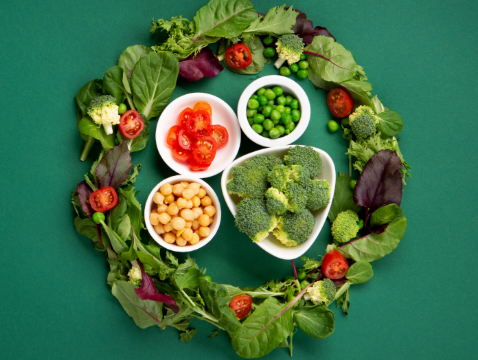
Protein is an important part of any diet, and plant based sources can easily meet this need when included regularly. Foods like lentils, beans, tofu, tempeh, nuts, and seeds provide protein that supports daily activities and helps maintain strength. Combining different plant foods throughout the day can offer a complete range of amino acids. Simple meals such as rice with beans or whole grain bread with nut butter demonstrate how easy it can be to include protein in a natural and satisfying way.
Fiber is another key benefit of plant based eating and plays an essential role in supporting digestion. Foods like fruits, vegetables, whole grains, and legumes are naturally high in fiber, which helps maintain a feeling of fullness and supports a balanced digestive system. Including these foods regularly can contribute to a more comfortable and steady eating pattern, making it easier to enjoy meals without feeling overly heavy.
Healthy fats are also part of smart nutrition choices and add both flavor and nourishment to meals. Ingredients such as avocados, nuts, seeds, and plant oils provide fats that support overall health and help the body absorb certain nutrients. These foods can enhance the taste and texture of meals, turning simple dishes into something more satisfying. A handful of nuts as a snack or a drizzle of oil over vegetables can make a meaningful difference.
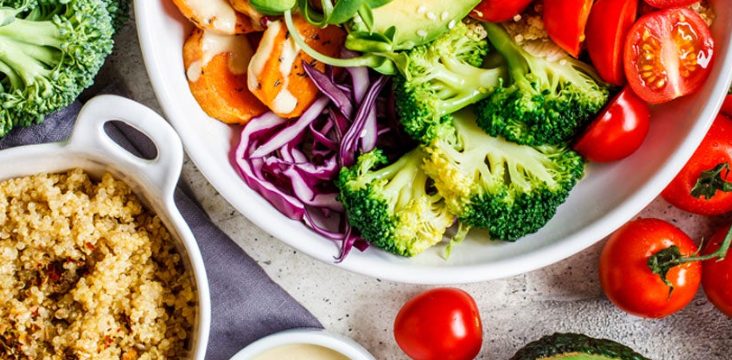
Planning meals with intention can help make plant based nutrition more accessible and enjoyable. Taking a little time to prepare ingredients or think ahead about meals can reduce stress and make healthy choices easier during busy days. Simple dishes like vegetable stir fries, grain bowls, and soups can be prepared quickly and adapted based on available ingredients. This flexibility allows you to stay consistent while still enjoying variety.
Exploring flavors is one of the most exciting parts of embracing plant based nutrition. Herbs, spices, and natural seasonings can transform basic ingredients into delicious meals. Garlic, ginger, turmeric, and fresh herbs add depth and aroma, while different spice blends can introduce new and interesting tastes. Trying recipes from different cultures can also inspire creativity and help you discover new favorites.
Another benefit of focusing on plant based foods is the opportunity to build a more mindful relationship with eating. Preparing meals from whole ingredients often encourages you to slow down and appreciate the process. This can create a sense of connection with your food and make each meal feel more meaningful. Taking the time to enjoy flavors, textures, and aromas can enhance both satisfaction and overall well-being.
Flexibility is an important part of making plant based nutrition sustainable. There is no single right way to follow this approach, and it can be adapted to suit individual preferences and lifestyles. Some people may choose to follow a fully plant based diet, while others may simply aim to include more plant foods in their meals. Both approaches can offer benefits, and the key is finding what works best for you.
Listening to your body can guide your choices as you explore this way of eating. Paying attention to how different foods make you feel can help you adjust your meals to better support your needs. If certain combinations leave you feeling energized and satisfied, they can become part of your regular routine. If something does not feel quite right, small changes can be made to improve balance and comfort.
Hydration and overall lifestyle habits also play a role in supporting the benefits of plant based nutrition. Drinking enough water, staying active, and getting adequate rest all contribute to a balanced and healthy routine. When combined with nourishing meals, these habits create a strong foundation for long term well-being.
Enjoying the power of plants with smart nutrition choices is about creating a lifestyle that feels both natural and rewarding. By focusing on whole foods, embracing variety, and allowing room for flexibility, it becomes easier to build habits that support health and happiness. This approach encourages you to explore new flavors, appreciate simple ingredients, and make choices that align with your personal goals.
Over time, these thoughtful choices can become part of your everyday life, making plant based eating feel effortless and enjoyable. Each meal becomes an opportunity to nourish your body and discover new possibilities. With a positive mindset and a willingness to try new ideas, the power of plants can bring lasting benefits and help you create a brighter, healthier future.