Plant based nutrition has become a trusted approach for those seeking a balanced and sustainable path to wellness.
By focusing on foods that come primarily from plants, this way of eating supports the body with natural nutrients while encouraging a mindful relationship with food.
It is not about strict limitations or complicated rules, but about building a lifestyle that feels nourishing, flexible, and enjoyable over time.
At its core, plant based nutrition includes fruits, vegetables, whole grains, legumes, nuts, and seeds. These foods provide a wide range of vitamins, minerals, fiber, and beneficial compounds that help the body function effectively. When meals are built around these ingredients, they tend to be rich in flavor and naturally satisfying. This makes it easier to maintain a consistent routine that supports overall wellness.
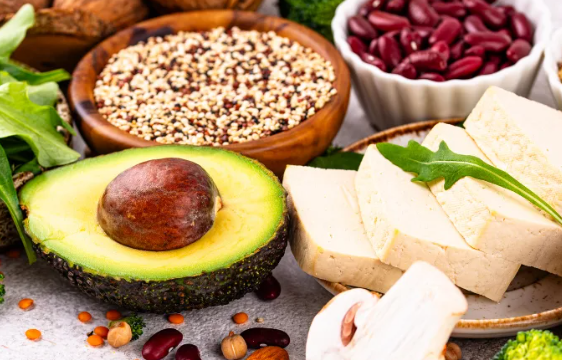
One of the most important aspects of plant based nutrition is balance. A well-rounded meal includes a combination of carbohydrates, protein, and healthy fats. Carbohydrates from whole grains such as oats, brown rice, and whole grain bread provide steady energy throughout the day. Protein can be found in foods like beans, lentils, tofu, and nuts, which help support strength and maintain a feeling of fullness. Healthy fats from sources like avocados, seeds, and plant oils contribute to overall nourishment and help the body absorb certain nutrients.
Fruits and vegetables are central to this approach and bring both color and vitality to meals. They are naturally rich in essential nutrients that support different aspects of health. Including a variety of produce helps ensure a broad intake of vitamins and minerals while also keeping meals visually appealing and enjoyable. Fresh fruits can be eaten as snacks or added to breakfast, while vegetables can be incorporated into main dishes, soups, and salads.
Fiber is another key benefit of plant based eating. Foods like whole grains, legumes, fruits, and vegetables are naturally high in fiber, which supports digestion and helps maintain a sense of fullness. This can make it easier to manage hunger and enjoy meals without feeling overly heavy. A fiber-rich diet often contributes to a more balanced and comfortable eating pattern.
Protein is often a topic of interest for those exploring plant based nutrition, especially beginners. Fortunately, there are many plant sources that provide adequate protein for daily needs. Legumes such as lentils and chickpeas are versatile and can be used in a variety of dishes. Tofu and tempeh are also popular options that can be prepared in many ways, absorbing the flavors of the ingredients they are paired with. Nuts and seeds add both protein and texture, making them a valuable addition to meals and snacks.
Whole grains play a significant role in maintaining energy and supporting wellness. Unlike refined grains, whole grains retain their natural fiber and nutrients, providing steady fuel for the body. Foods like quinoa, oats, and brown rice can be used in a wide range of meals, from breakfast to dinner. Their versatility makes them an easy and reliable part of a plant based diet.
Healthy fats are essential for overall well-being and should be included as part of a balanced approach. Foods such as avocados, almonds, walnuts, and seeds provide fats that support brain health and help the body absorb certain vitamins. These ingredients also add richness and depth to meals, making them more satisfying and enjoyable.
Hydration is an often overlooked aspect of wellness but plays a crucial role in supporting the body. Drinking enough water throughout the day helps maintain energy levels and supports digestion. Many plant foods, especially fruits and vegetables, also contribute to hydration, making them an important part of a balanced routine. Including natural beverages like smoothies can be a refreshing way to combine hydration with nutrient intake.
One of the strengths of plant based nutrition is its flexibility. It does not require a sudden or complete change in eating habits. Many people find success by gradually increasing the amount of plant foods in their meals. Starting with simple steps, such as adding more vegetables to familiar dishes or choosing a plant based option for one meal a day, can make the transition feel manageable and sustainable.
Planning meals can help create consistency and reduce stress. Preparing ingredients in advance, such as cooking grains or chopping vegetables, makes it easier to assemble meals during busy days. Simple dishes like vegetable stir fries, grain bowls, and soups can be adapted based on available ingredients, allowing for creativity and variety without added complexity.
Exploring flavors is an enjoyable part of this lifestyle. Herbs, spices, and natural seasonings can transform simple ingredients into delicious meals. Garlic, ginger, turmeric, and fresh herbs add depth and warmth, while different spice combinations can introduce new and exciting tastes. Trying recipes inspired by different cultures can also bring inspiration and keep meals interesting.
Listening to your body is an important part of maintaining a plant based lifestyle. Everyone’s needs and preferences are different, and it is helpful to pay attention to how certain foods make you feel. Adjusting portion sizes and meal combinations based on your energy levels and comfort can help create a routine that supports both health and enjoyment.
Wellness is not only about nutrition but also about overall lifestyle habits. Regular physical activity, adequate rest, and a positive mindset all contribute to a balanced life. When combined with nourishing meals, these habits create a strong foundation for long term well-being.
The essential guide to plant based nutrition for wellness is about making thoughtful choices that support your body and mind. By focusing on whole foods, embracing variety, and allowing room for flexibility, you can create a lifestyle that feels both natural and rewarding. This approach encourages a deeper connection with food and a greater appreciation for the nourishment it provides.
Over time, these habits can become part of your daily routine, making plant based eating feel effortless and enjoyable. Each meal becomes an opportunity to support your well-being and explore new possibilities. With patience, curiosity, and a focus on balance, plant based nutrition can help you build a healthier and more vibrant life.