Planning meals with plant based nutrition in mind can be a rewarding way to support your health while simplifying your daily routine.
With a thoughtful approach and a focus on whole foods, it becomes easier to create meals that are balanced, satisfying, and enjoyable.
Rather than feeling like a complicated task, meal planning can become a gentle habit that helps you stay consistent and confident in your food choices.
Plant based nutrition centers on foods that come from plants, including fruits, vegetables, whole grains, legumes, nuts, and seeds. These ingredients provide a wide range of nutrients that help the body function effectively. When planning meals, it is helpful to think about how these foods can work together to create balance. A well-rounded meal typically includes carbohydrates for energy, protein for strength and fullness, and healthy fats for overall support.
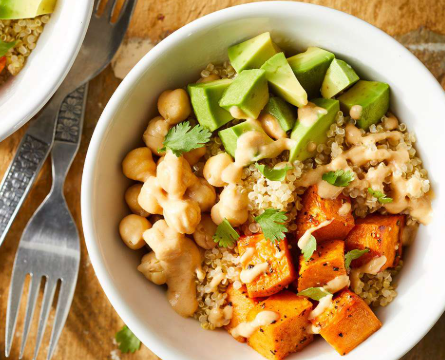
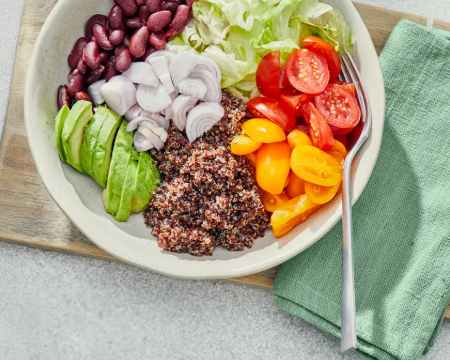
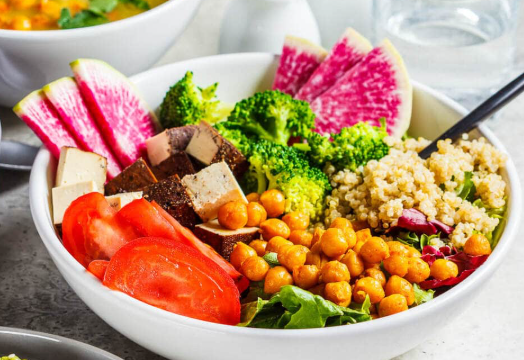
Starting with a simple structure can make meal planning more manageable. Choosing a base such as a whole grain is often a good place to begin. Foods like brown rice, quinoa, or whole grain pasta provide steady energy and can be used in many different dishes. Once you have a base, you can build your meal by adding vegetables for freshness and color, along with a plant based protein source such as beans, lentils, tofu, or tempeh.
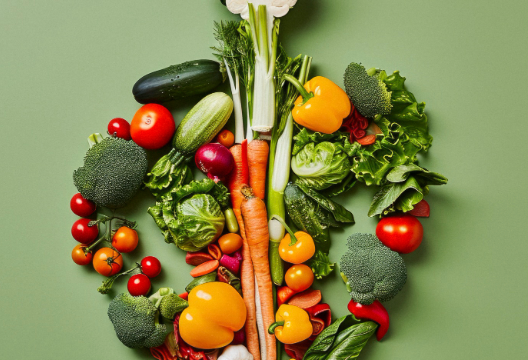
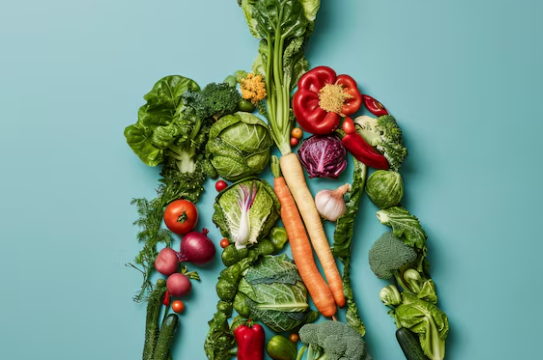
Including a variety of vegetables is an important part of planning plant based meals. Different vegetables provide different nutrients, so using a mix of colors and types can help ensure balance. Leafy greens, root vegetables, and vibrant options like peppers or tomatoes can all contribute to a well-rounded dish. These ingredients not only support nutrition but also add flavor and texture.
Protein is an essential component of meal planning, and plant based diets offer many options. Legumes such as chickpeas, black beans, and lentils are versatile and can be used in soups, salads, and main dishes. Tofu and tempeh can be prepared in different ways and absorb flavors easily, making them a flexible addition to meals. Nuts and seeds can also be included for both protein and texture, either as toppings or as part of a recipe.
Healthy fats help complete a balanced meal and add richness to your dishes. Foods like avocados, nuts, seeds, and plant based oils provide fats that support the body and enhance flavor. Including a small amount of these ingredients can make meals more satisfying and enjoyable. A drizzle of oil, a handful of nuts, or a spoonful of seeds can make a simple dish feel more complete.
Planning ahead can save time and reduce stress during busy days. Setting aside time once or twice a week to prepare ingredients can make a big difference. Cooking grains in advance, washing and chopping vegetables, or preparing a batch of beans can help you assemble meals quickly. Having these components ready allows you to create balanced meals with minimal effort.
It can also be helpful to choose a few simple meals to repeat throughout the week. Familiar dishes like grain bowls, vegetable stir fries, and hearty soups can be adapted based on the ingredients you have available. This approach reduces the need to plan something new every day while still allowing for variety. Small changes in vegetables or seasonings can keep these meals interesting.
Breakfast is an important part of meal planning and can be kept simple while still being nourishing. Options like oatmeal with fruit and nuts, smoothies made with plant based ingredients, or whole grain toast with spreads can provide a balanced start to the day. Preparing these meals in advance or choosing quick options can make mornings easier.
Snacks can also be included in your plan to help maintain energy between meals. Fresh fruit, a handful of nuts, or simple plant based snacks can be convenient choices. Having these options ready can help you avoid less nourishing alternatives when you are busy or on the go.
Flavor plays an important role in making plant based meals enjoyable. Using herbs, spices, and natural seasonings can transform simple ingredients into delicious dishes. Garlic, ginger, fresh herbs, and spices like turmeric or cumin can add depth and variety. Experimenting with different flavor combinations can make meal planning more creative and enjoyable.
Flexibility is an important part of successful meal planning. While having a plan can be helpful, it is also important to allow for adjustments based on your schedule and preferences. Some days you may have more time to cook, while other days may require quick and simple meals. Being flexible allows you to stay consistent without feeling restricted.
Listening to your body can guide your meal planning choices. Paying attention to how different foods make you feel can help you create meals that support your energy and comfort. Meals that leave you feeling satisfied and energized are often a sign of balance. Adjusting portion sizes and ingredients based on your needs can create a more personalized approach.
Hydration is another aspect to consider when planning your meals. Drinking enough water throughout the day supports digestion and overall function. Including water rich foods such as fruits and vegetables can also contribute to hydration. Smoothies and fresh juices can be refreshing options that combine both nutrients and fluids.
Creating a routine can make meal planning feel more natural. Setting a regular time to plan your meals, prepare ingredients, or cook can help build consistency. Over time, these habits can become part of your weekly rhythm, making it easier to maintain a balanced approach to eating.
Meal planning with plant based nutrition in mind is about simplifying your choices while focusing on nourishment. By building meals around whole foods, preparing ingredients in advance, and allowing for flexibility, you can create a routine that supports both health and convenience. This approach encourages consistency without pressure and allows you to enjoy the process of caring for your body.
Over time, these habits can make healthy eating feel effortless and enjoyable. Each meal becomes an opportunity to provide your body with the nutrients it needs while exploring new flavors and combinations. With a thoughtful and flexible approach, planning plant based meals can become a valuable part of your everyday life.