The idea of supporting a faster metabolism often brings to mind intense routines or complicated diet plans, but the truth is much simpler and more approachable.
Metabolism refers to the processes your body uses to convert food into energy, and while it is influenced by factors like age, activity level, and genetics, daily food choices can play a supportive role.
By focusing on balanced, wholesome ingredients, it is possible to encourage steady energy use in a way that feels natural and sustainable.
A helpful starting point is understanding that no single ingredient can instantly change how the body works. Instead, metabolism responds best to consistent habits that provide the body with the nutrients it needs to function efficiently. Choosing foods that support digestion, maintain stable energy levels, and promote overall well-being can contribute to a more active metabolic process over time.
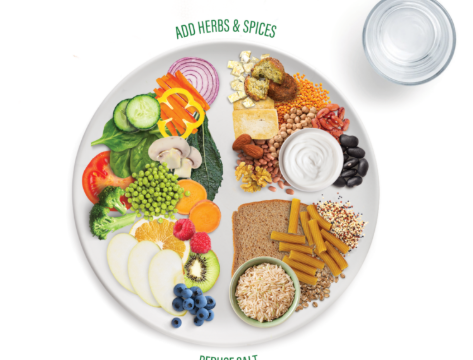
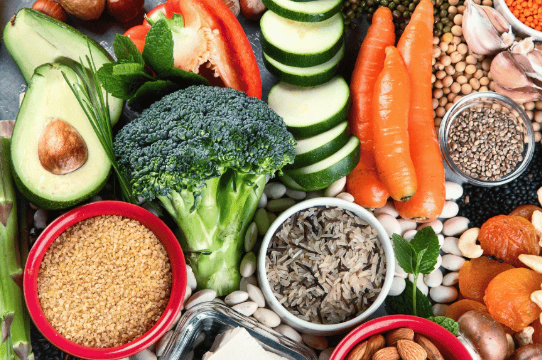
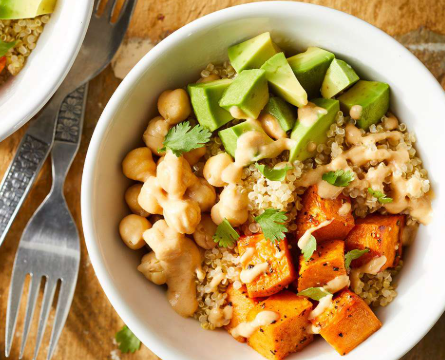
Protein-rich foods are often associated with supporting metabolism because they require more energy for the body to digest compared to fats and carbohydrates. This process, sometimes called the thermic effect of food, can slightly increase the number of calories the body uses during digestion. Including sources such as eggs, beans, lentils, yogurt, or nuts in meals can help create a balanced intake that supports energy use while also helping you feel satisfied.
Whole grains are another valuable addition to meals that aim to support metabolism. Foods like oats, brown rice, and whole grain bread provide complex carbohydrates that break down gradually. This steady digestion helps maintain consistent energy levels and avoids the sharp rises and drops that can come from more refined options. When energy is released slowly, the body can use it more effectively throughout the day.
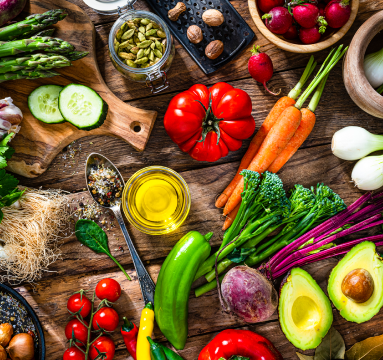
Fiber plays a quiet but important role in metabolic health. Found in fruits, vegetables, legumes, and whole grains, fiber supports digestion and helps regulate how the body processes nutrients. Meals that are rich in fiber often promote a feeling of fullness, which can help maintain a balanced approach to eating. Over time, this can support a more stable energy flow and overall metabolic function.
Hydration is another key factor that is sometimes overlooked. Water is involved in many of the body’s natural processes, including those related to metabolism. Starting the day with a glass of water and continuing to hydrate regularly can support the body’s ability to convert food into energy. Foods with high water content, such as fruits and vegetables, can also contribute to this process.
Certain ingredients are often discussed for their warming or energizing qualities. For example, spices such as ginger, cinnamon, and chili can add flavor to meals while also providing a gentle sense of warmth. While their direct effect on metabolism may be modest, they can enhance meals in a way that encourages enjoyment and variety. Enjoying flavorful food can make it easier to maintain consistent eating habits, which is key to long-term well-being.
Healthy fats are an essential part of a balanced diet and should not be overlooked when thinking about metabolism. Foods like avocados, nuts, seeds, and olive oil provide fats that support the body’s natural processes. These fats help with nutrient absorption and contribute to a feeling of satisfaction after meals. Including moderate amounts of healthy fats can help create balanced meals that sustain energy levels.
Iron-rich foods also play a role in supporting the body’s ability to use energy effectively. Iron helps transport oxygen throughout the body, which is essential for energy production. Plant-based sources such as spinach, lentils, and seeds, as well as other foods like eggs, can contribute to maintaining healthy iron levels. Pairing these foods with vitamin C-rich ingredients, such as citrus fruits or tomatoes, can help improve absorption.
Another helpful approach is to include foods that support muscle maintenance. Muscle tissue uses more energy than fat tissue, even at rest, so maintaining muscle through balanced nutrition and regular activity can support overall metabolism. Protein-rich ingredients, along with a variety of nutrient-dense foods, can help support this process in a gentle and sustainable way.
Eating regularly throughout the day can also help maintain steady energy use. Skipping meals may lead to low energy levels and can make it harder to maintain focus. Instead, having balanced meals and snacks that include a mix of carbohydrates, protein, and healthy fats can help keep the body fueled and active. This consistent supply of nutrients supports the body’s natural rhythm.
Sleep and stress management are closely connected to metabolism as well. While food is important, the body also relies on rest and a calm state of mind to function well. A balanced lifestyle that includes nourishing meals, adequate sleep, and moments of relaxation can create a supportive environment for metabolic health.
It is also helpful to approach the idea of metabolism with a sense of balance. Rather than focusing on quick changes, it is more effective to build habits that can be maintained over time. Choosing whole, minimally processed foods, staying hydrated, and enjoying a variety of ingredients can create a pattern that supports overall well-being.
Variety is especially important because different foods provide different nutrients. Including a wide range of fruits, vegetables, grains, and protein sources ensures that the body receives the support it needs. This diversity not only benefits metabolism but also keeps meals interesting and enjoyable.
Listening to your body can guide your choices in a meaningful way. Paying attention to how different foods affect your energy levels and comfort can help you find what works best for you. This awareness allows for a personalized approach that supports both health and enjoyment.
Healthy ingredients that support a faster metabolism are best understood as part of a larger picture. They contribute to a balanced approach that includes mindful eating, regular movement, and overall self-care. There is no need for strict rules or complicated routines. Small, consistent choices can make a lasting difference.
By focusing on nourishment rather than quick fixes, it becomes easier to build habits that feel natural and supportive. Over time, these habits can help create a steady flow of energy and a sense of balance that supports everyday life. A thoughtful approach to food, combined with a positive and flexible mindset, can help you feel energized and supported in a way that lasts.