Sustainable living is often described as making choices that support both personal well-being and the long term health of the world around us.
One of the most practical and rewarding ways to embrace this idea is through plant based nutrition.
By focusing on foods that come from plants, individuals can create a lifestyle that feels balanced, mindful, and supportive of lasting wellness.
This approach encourages thoughtful habits that benefit not only the body but also everyday living in a broader sense.
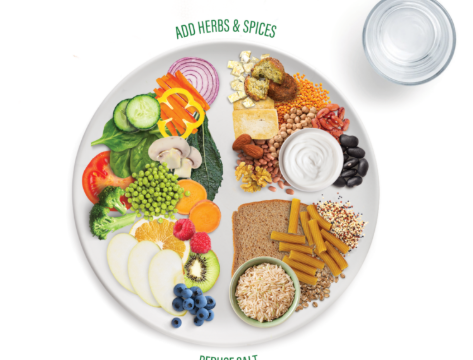
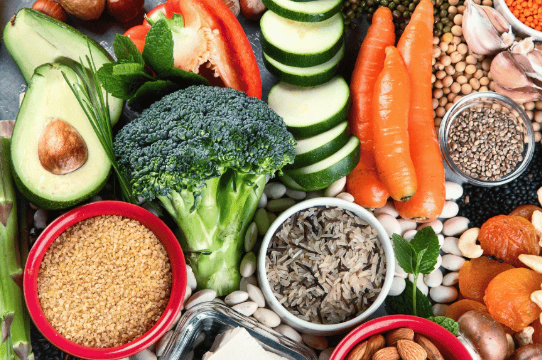
Plant based nutrition centers on foods such as fruits, vegetables, whole grains, legumes, nuts, and seeds. These foods are naturally rich in essential nutrients and can be prepared in a variety of ways to suit different tastes and routines. Choosing whole, minimally processed ingredients allows people to enjoy meals that are both nourishing and satisfying. Over time, these simple choices can become the foundation of a sustainable lifestyle that feels easy to maintain.
One of the key aspects of sustainable living is consistency, and plant based nutrition supports this through its flexibility. There is no need for strict rules or sudden changes. Some people choose to follow a fully plant based diet, while others gradually increase the number of plant based meals they enjoy. This adaptable approach allows individuals to move at their own pace and build habits that fit naturally into their daily lives.
Whole plant foods provide a steady source of energy that supports an active lifestyle. Foods like oats, brown rice, and whole grain bread contain complex carbohydrates that release energy gradually. This helps maintain focus and prevents sudden drops in energy levels. When meals are built around these ingredients, it becomes easier to stay energized throughout the day without relying on heavily processed options.
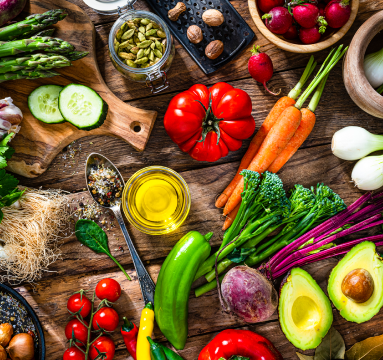
Fruits and vegetables play a central role in plant based nutrition and bring both flavor and nourishment to meals. They are rich in vitamins and minerals that support overall health, while their natural variety makes eating more enjoyable. Including a wide range of colorful produce helps ensure a balanced intake of nutrients and keeps meals visually appealing. This variety encourages people to explore different foods and develop a more positive relationship with what they eat.
Legumes such as beans, lentils, and chickpeas are another important part of a sustainable plant based diet. They provide protein and fiber, making them both filling and nutritious. These foods are versatile and can be used in a variety of dishes, from soups to salads to main meals. Their ability to pair well with other ingredients makes them a reliable choice for creating balanced and satisfying dishes.
Healthy fats also contribute to a sustainable approach to eating. Foods like avocados, nuts, and seeds provide fats that support the body’s natural processes and enhance the flavor of meals. Including these ingredients in moderate amounts can make meals more enjoyable while contributing to overall well-being. A small addition of healthy fats can bring balance and richness to simple dishes.
Hydration is another important part of sustainable living. Drinking enough water supports the body’s daily functions and helps maintain energy levels. Many plant based foods, especially fruits and vegetables, also contain water and contribute to hydration. Including these foods regularly can help support a balanced routine and overall comfort.
Planning and preparation can make plant based nutrition more practical and sustainable. Taking time to prepare ingredients in advance, such as cooking grains or washing vegetables, can make it easier to assemble meals during busy days. Simple dishes like grain bowls, vegetable stir fries, and soups can be created quickly with prepared ingredients. This approach helps reduce stress and supports consistency.
Exploring flavors is an enjoyable way to keep plant based meals interesting. Herbs, spices, and natural seasonings can transform simple ingredients into delicious dishes. Garlic, ginger, turmeric, and fresh herbs add depth and warmth, while different spice combinations can introduce new tastes. Trying recipes inspired by different cultures can bring creativity and excitement to everyday meals.
Mindful eating is another important aspect of sustainable living. Taking time to enjoy meals, appreciate flavors, and pay attention to how food makes you feel can create a more meaningful experience. This awareness can help guide better choices and encourage a more balanced approach to nutrition. When people feel connected to their food, they are more likely to maintain healthy habits.
Listening to your body is essential when building a sustainable lifestyle. Paying attention to how different foods affect your energy and comfort can help you make choices that support your well-being. Meals that leave you feeling satisfied and energized are often a sign of balance. Adjusting your routine based on your needs allows for a more personalized and enjoyable approach.
Plant based nutrition also supports simplicity, which is an important part of sustainable living. By focusing on whole ingredients and straightforward preparation methods, it becomes easier to create meals without unnecessary complexity. This simplicity can save time and reduce the stress often associated with meal planning, making it easier to maintain healthy habits over the long term.
Lifestyle habits beyond nutrition also contribute to sustainability. Regular movement, adequate rest, and a positive mindset all support overall well-being. When combined with nourishing meals, these habits create a balanced approach that supports both body and mind. A holistic perspective helps ensure that sustainable living becomes a natural part of daily life.
Sustainable living through plant based nutrition is about making thoughtful choices that support long term health and balance. It encourages a focus on whole foods, flexibility, and consistency, allowing individuals to create routines that feel both practical and rewarding. This approach does not require perfection, but rather a willingness to make small, positive changes over time.
As these habits develop, they can become a natural part of everyday life. Each meal becomes an opportunity to nourish the body and support a balanced lifestyle. With patience and creativity, plant based nutrition can offer a pathway to sustainable living that feels both fulfilling and enjoyable.